Anion Gap Calculator for Methanol Poisoning Assessment
What the anion gap Indicates in Methanol Poisoning
The anion gap is a helpful laboratory marker for identifying hidden acids in the blood, especially in cases of methanol poisoning. A increasing gap often points to metabolic acidosis caused by buildup of unmeasured anions, which can be an important diagnostic clue in toxic alcohol ingestion. In the setting of suspected poisoning, the anion gap helps clinicians assess acid-base balance and identify serious metabolic derangement before complications progress.
Methanol itself is not the main source of toxicity. The danger comes after the body metabolizes methanol into toxic metabolites, especially formic acid. As these acids accumulate, they can create high anion gap metabolic acidosis and cause systemic toxicity. This pattern is often more informative than a single symptom, because patients may initially show nonspecific poisoning symptoms at first and later develop worsening laboratory abnormalities.
An elevated anion gap is not specific to methanol poisoning, but it is a major laboratory marker that should prompt careful clinical interpretation. In suspected exposure, the result should be combined with the history, exam, serum chemistry, and confirmatory testing when available. Because methanol poisoning can evolve over time, the anion gap may rise as the osmolar gap falls, making serial testing important for risk stratification.
How to Determine the Anion Gap
To calculate anion gap, doctors use values from the electrolyte panel, particularly sodium, chloride, and bicarbonate. The traditional anion gap formula is:
Anion gap = sodium - (chloride + bicarbonate)
This measurement helps gauge the amount of unmeasured anions in the blood. A normal anion gap is typically considerably lower than an elevated one, though the exact reference range can vary by laboratory and analyzer. A higher result suggests an acid-base problem in which acids are present but not directly measured in the routine serum electrolytes.
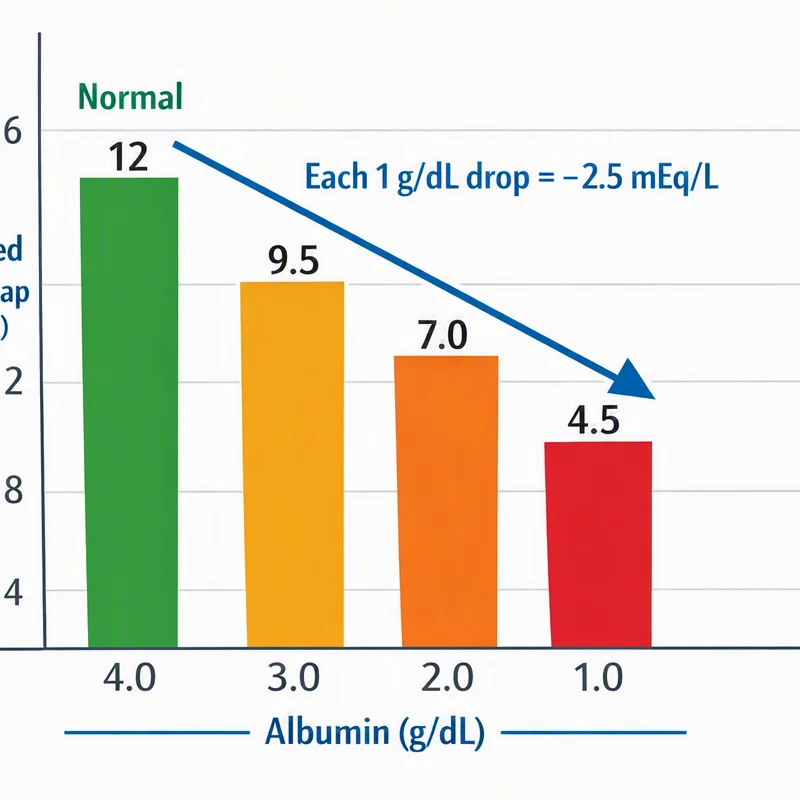
Albumin is also important. Because albumin is a major unmeasured anion, low albumin can make the gap appear falsely normal or lower than expected. That is why an albumin-corrected anion gap may be needed for precise clinical interpretation. When albumin is reduced, the correction helps reveal a truly elevated anion gap that could otherwise be missed.
In practice, an arterial blood gas may be used alongside the chemistry panel to evaluate pH and respiratory compensation. Together, these tests help determine whether the patient has metabolic acidosis, and they can support the broader assessment of acid-base balance in a potentially poisoned patient.
Using an Anion Gap Calculator in Toxic Alcohol Exposure
An anion gap calculator can streamline bedside evaluation when there is concern for toxic alcohol ingestion. It helps clinicians rapidly calculate anion gap from current laboratory values and recognize high anion gap metabolic acidosis. This is especially useful when the history is unclear, the patient cannot provide details, or the exposure occurred hours earlier.
In toxic alcohol cases, the calculator should not be used in isolation. It is part of the broader evaluation that includes the serum chemistry profile, osmolar gap, arterial blood gas, mental status, and symptom pattern. A marked elevation in the anion gap can be a key diagnostic clue that the patient may need urgent evaluation and treatment even before confirmatory testing returns.
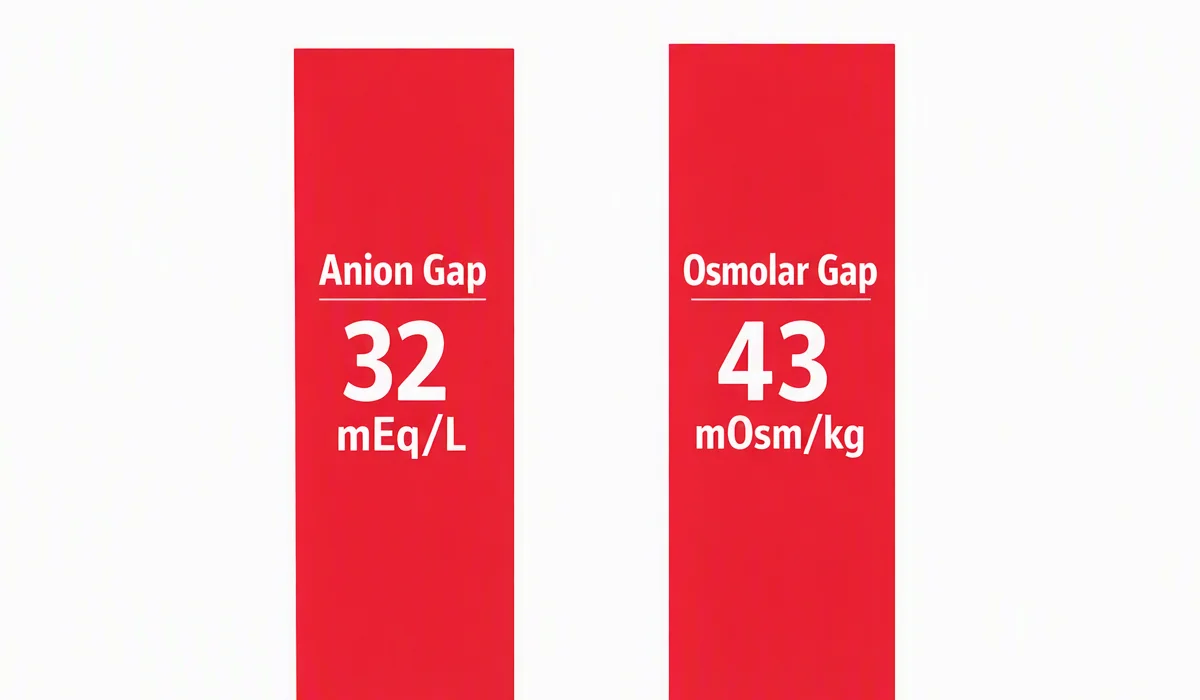
One challenge is timing. Early after ingestion, the osmolar gap may be elevated while the anion gap is still normal. Later, as methanol is metabolized, the osmolar gap may decline and the anion gap may rise. This changing pattern means that a single normal result does not rule out poisoning. Serial testing and close clinical observation are often necessary.
For this reason, an anion gap calculator is best viewed as a rapid screening tool that supports clinical interpretation, not a replacement for expert judgment. When the numbers and symptoms align, prompt toxicology consultation can help determine whether antidote therapy, dialysis, or other measures are needed.
Why Methanol Raises the Anion Gap
Methanol poisoning grows dangerous after metabolism in the liver. The body transforms it into formaldehyde and then into formic acid, one of the main toxic metabolites driving acidosis and tissue injury. As these acidic compounds collect, they consume buffering capacity and widen the anion gap. This is why methanol poisoning can lead to a severe metabolic crisis rather than just a simple intoxication.
The accumulation of formic acid leads to worsening metabolic acidosis and may impair oxygen utilization at the cellular level. That can produce systemic toxicity affecting the central nervous system and optic structures. The resulting pattern may include headache, nausea, confusion, or visual disturbances, and in severe cases, retinal injury and permanent vision loss.
Antidotal treatment focuses on the metabolic pathway. Fomepizole stops alcohol dehydrogenase, reducing the formation of toxic metabolites. Ethanol can also be used in some cases because it contends for the same enzyme. By preventing further conversion of methanol into formic acid, these treatments reduce worsening acidosis and reduce organ injury while definitive elimination is completed.
Understanding why the anion gap rises improves clinical interpretation. The gap is not caused by methanol itself alone, but by the acidic byproducts that create the metabolic derangement. That is why a rising gap, especially with compatible symptoms, should be treated as a serious warning sign.
Important Laboratory Results along with Alternative Diagnosis
Several test results can help distinguish methanol poisoning from other causes of acidosis. The osmolar gap is often raised early because unmetabolized methanol raises measured osmolality. As metabolism progresses, the osmolar gap may decrease while the anion gap rises. This shifting relationship is a characteristic pattern in toxic alcohol poisoning and should prompt close comparison of serial values.
Lactate may also be raised in poisoned patients, but not every increase represents true lactic acidosis. Some analyzers can show a false lactate elevation in the presence of glycolate or formate, creating interpretive pitfalls. That makes it important to consider the entire laboratory picture rather than relying on one marker alone.
Ethylene glycol is the remaining major toxic alcohol in the differential diagnosis. It can also cause elevated anion gap metabolic acidosis and often an elevated osmolar gap early on. However, ethylene glycol is more strongly associated with renal injury and calcium oxalate crystals, while methanol is more associated with visual toxicity. Careful history, exam findings, and confirmatory testing can help distinguish the two.
Further causes of elevated anion gap metabolic acidosis should also be considered, including ketoacidosis, uremia, salicylate toxicity, and severe lactic acidosis. Still, when there is exposure risk, the combination of high anion gap metabolic acidosis and an osmolar gap should immediately prompt concern for toxic alcohol ingestion.
When to Consider Methanol Poisoning
Methanol toxicity may be suspected when someone has unexplained metabolic acidosis, especially if the history suggests alcohol exposure from an atypical source or unclear ingestion. Initial symptoms may be subtle, but certain patterns are especially worrisome. These include eye symptoms, disorientation, emesis, abdominal pain, and worsening acid-base disorder.
Changes in mental status can occur from poisoning symptoms involving https://anion-gap-calculation.com/formula/delta-ratio.html the central nervous system and from the acidosis alone. A patient may initially appear slightly intoxicated and then decline as toxic metabolites build up. This progression is one reason clinicians should not downplay an apparently mild presentation when the laboratory profile suggests a more dangerous process.
Visual complaints deserve special attention. Reduced visual clarity, photophobia, or a sense of “snowfield” vision may indicate optic nerve or retinal injury. Because methanol toxicity can cause permanent damage, these symptoms should prompt immediate assessment even if the patient seems clinically stable.
Any combination of suspected toxic alcohol ingestion, elevated anion gap, and abnormal blood chemistry warrants rapid assessment. In some cases, the anion gap can be the first major clue, guiding clinicians toward urgent therapy while confirmatory testing is pending.
Treatment Summary and Urgency
If methanol poisoning is considered, treatment should not delay for definitive confirmation if the clinical picture is clear. Rapid antidote therapy with fomepizole is often recommended to stop further conversion into toxic metabolites. In certain situations, ethanol may be used when fomepizole is unavailable, though fomepizole is generally preferred because it is easier to manage and more predictable.
Hemodialysis may be needed to remove methanol and formate, address severe acidosis, and accelerate recovery. It is especially important when the patient has significant metabolic acidosis, visual symptoms, end-organ effects, or a substantial toxin burden. Dialysis also helps when supportive measures alone are not enough to stabilize the patient.
Supportive care includes airway protection if needed, monitoring of vital signs, correction of acid-base abnormalities, and treatment of complications. Sodium bicarbonate may be used in selected cases to help manage severe acidosis, but it does not replace definitive therapy. The overall goal is to stop ongoing toxicity, restore acid-base balance, and prevent organ damage.
Because the condition can worsen quickly, urgent toxicology consultation is strongly recommended. Expert input helps guide antidote therapy, dialysis decisions, and interpretation of evolving lab data. In suspected methanol poisoning, fast action is essential because delays can increase the risk of blindness, brain injury, and death.
Frequently Asked Questions
How does an anion gap calculator help in methanol poisoning?
Anion gap calculator helps clinicians quickly calculate anion gap from sodium, chloride, and bicarbonate values. In methanol poisoning, an elevated result supports the presence of high anion gap metabolic acidosis and serves as an important diagnostic clue. It is most useful when combined with the osmolar gap, arterial blood gas, and clinical findings.
What anion gap level is concerning for toxic alcohol ingestion?
There is no single universal diagnostic threshold, because reference ranges vary and the albumin-corrected anion gap may change interpretation. However, an elevated anion gap that is unexplained by other causes should raise concern for toxic alcohol ingestion, especially if the osmolar gap is also abnormal or the patient has compatible symptoms. Clinical context matters more than one exact number.
Can methanol poisoning occur with a normal anion gap?
Yes. Early after exposure, methanol may not yet have been metabolized into formic acid, so the anion gap can still be normal. In that phase, the osmolar gap may be a better clue. A normal anion gap does not exclude methanol poisoning, particularly if the history suggests exposure and symptoms are progressing.
What is the difference between an anion gap and an osmolar gap?
The anion gap estimates unmeasured anions and helps identify metabolic acidosis. The osmolar gap evaluates measured and calculated serum osmolality and can suggest the presence of unmeasured osmotically active substances such as methanol or ethylene glycol. In toxic alcohol cases, the osmolar gap may rise early, while the anion gap often rises later as toxic metabolites accumulate.
What should be done if methanol poisoning is suspected?
If methanol poisoning is suspected, the patient needs prompt evaluation, immediate lab review, and early toxicology consultation. Treatment may include fomepizole or ethanol, supportive care, bicarbonate for severe acidosis in certain cases, and hemodialysis when indicated. Because complications can progress rapidly, do not wait for confirmatory testing if the clinical picture strongly suggests toxicity.