Anion Gap Calculator in Hyperproteinemia: How to Understand Results
What the Anion Gap Assesses
The anion gap is a practical way to analyze serum electrolytes and determine whether unmeasured ions may be influencing acid-base balance. An Anion Gap Calculator typically takes into account the major measured blood chemistry values, especially sodium, chloride, and bicarbonate, to help identify patterns that may suggest a metabolic disorder. In many clinical settings, the result is employed as part of an electrolyte panel rather than as a standalone diagnosis.
At its core, the anion gap shows the difference between positively charged and negatively charged components in the blood. Most calculators use serum sodium, serum chloride, and serum bicarbonate, while some also include potassium. Because potassium contributes less to the calculation in many routine methods, it may be excluded depending on the formula used. The goal is to compute anion gap values that help clinicians find hidden acids, unexpected proteins, or measurement issues.
Understanding the normal reference range matters because a value that appears “normal” in one context may be inaccurate in another. The anion gap is especially important when evaluating possible metabolic acidosis, but it also becomes relevant when the patient has a protein abnormality that can alter blood chemistry. That is where clinical correlation becomes essential.
How Hyperproteinemia Can Affect Anion Gap Interpretation
Hyperproteinemia means the blood contains a higher-than-expected amount of plasma proteins. This often involves elevated globulins, albumin, or abnormal proteins such as paraproteins. Because these proteins carry electrical charge, they can alter the interpretation of the anion gap even when the calculated number itself is unchanged.
Some proteins, especially negatively charged proteins, serve as unmeasured anions. When plasma proteins rise, the body’s measured electrolytes may tend to shift in ways that affect the apparent gap. This is one reason a high protein level can confound acid-base interpretation. A patient may have a result that looks unusually low or normal, even when there is a true underlying acid-base disorder.
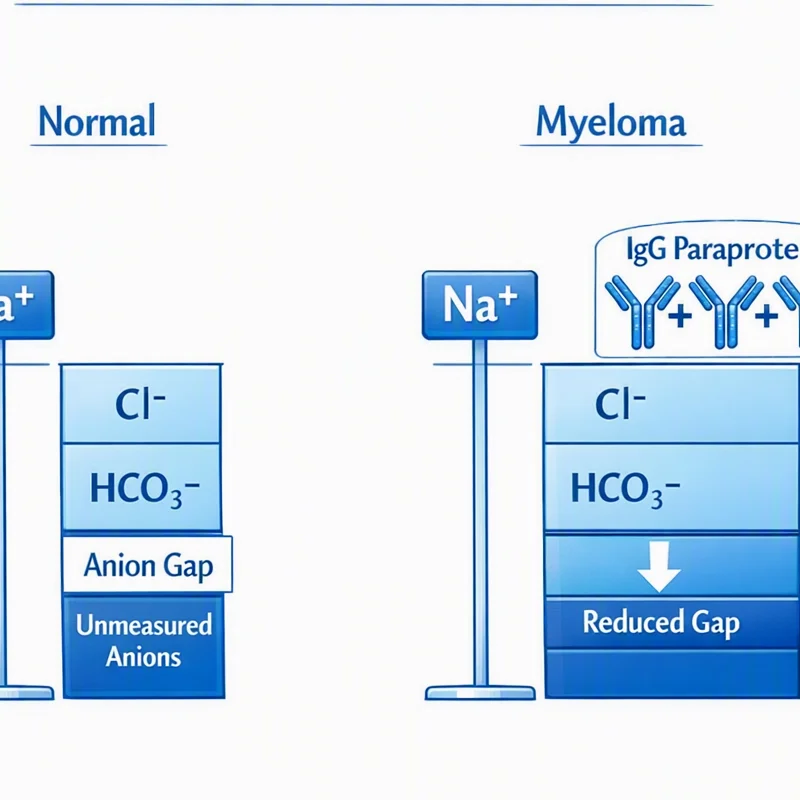
Albumin is the main protein for this type of interpretation because it is a major unmeasured anion. Low albumin can lower the anion gap, but abnormal protein states can also distort the result through shifts in charge balance or by introducing paraproteins. In conditions such as multiple myeloma or monoclonal gammopathy, abnormal immunoglobulins may change how the anion gap should be interpreted. In these cases, the number from an anion gap calculator should be viewed as one part of a larger diagnostic workup.
How an Anion Gap Calculator Functions
An formula for anion gap is usually calculated using measured laboratory values from the https://anion-gap-widget797.almoheet-travel.com/can-the-anion-gap-be-typical-in-marked-acidosis patient’s chemistry panel. The most common version is:
Anion gap = sodium - (chloride + bicarbonate)
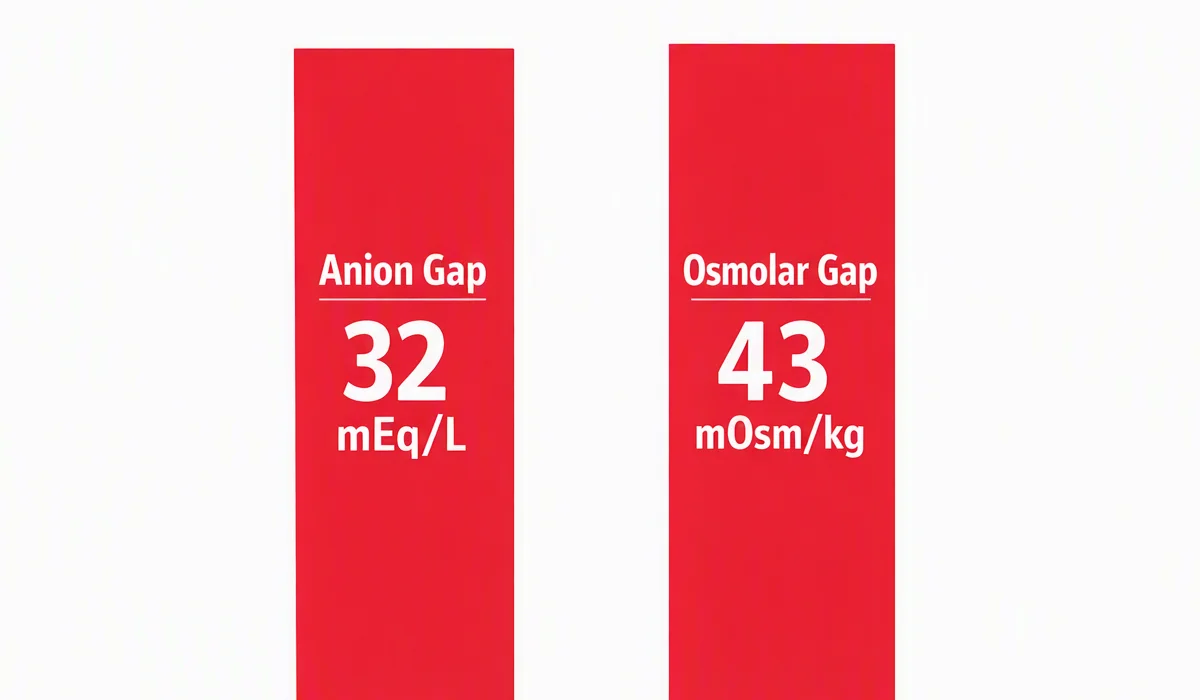
Some methods include potassium as well, but many clinical calculators exclude it for simplicity and consistency. The exact formula used matters because different labs and references may report slightly different normal results.
The calculator uses sodium levels, serum chloride, and serum bicarbonate to estimate the gap between measured cations and measured anions. If the gap is high, it can suggest the presence of unmeasured acids. If it is low, it may signal hypoalbuminemia, hyperproteinemia, measurement interference, or another issue affecting the blood chemistry.
For practical use, the calculator should be paired with a review of the full electrolyte results. A small change in sodium or chloride can alter the result, so the accuracy of the underlying lab values matters. The best way to calculate anion gap results is to interpret them in the context of the patient’s symptoms, other test results, and possible sources of error.
Refining the Anion Gap in Protein Abnormalities
As albumin heavily impacts the anion gap, numerous clinicians apply an albumin-corrected anion gap when protein abnormalities are detected. This type of albumin correction helps avoid missing a clinically important gap that is obscured by low protein levels. It can also aid interpretation when protein patterns are atypical.
A wider protein correction may be considered when abnormal serum proteins such as paraproteins are considered. While albumin correction is the most well-known adjustment, some cases of hyperproteinemia require not just a single correction step. This is especially relevant when results do not fit the clinical picture or when the reported value falls near the edge of the reference range.
The corrected anion gap is not meant to take the place of clinical judgment. It is a tool that can improve acid-base interpretation and help explain why a result seems inconsistent to the patient’s condition. For example, a patient with low albumin may appear to have a normal anion gap despite an underlying metabolic acidosis. Conversely, abnormal proteins can make the measured value harder to interpret. In those situations, the corrected anion gap can provide a better estimate than the raw number alone.
Frequent Causes of High or Reduced Anion Gap
A high anion gap is often linked to acid retention and is commonly seen in metabolic acidosis. States like ketoacidosis, lactic acidosis, toxin exposure, and renal failure are typical causes. However, a high value is not the only abnormal pattern clinicians should identify. A low anion gap can be just as important because it may indicate protein changes, lab error, or other hidden issues.
Hypoalbuminemia is one of the most common explanations for a low anion gap because albumin is a major unmeasured negative ion. When albumin falls, the anion gap often falls too. On the other hand, multiple myeloma and other plasma cell disorders can produce paraproteins that change the expected pattern. These abnormal proteins may lower the gap or make the result less reliable as a marker of acid-base status.
Lab artifact is another frequent cause of an abnormal result. A falsely low chloride, incorrect sodium value, or sample handling issue can change the calculated result. In some cases, the abnormality is not physiological at all but instead reflects measurement error or interference from the testing method. This is why an unexpected result should always trigger a review of the laboratory values and the testing context.
Applying the Calculator in Clinical Context
The most effective way to use of an Anion Gap Calculator is never mechanical calculation but thoughtful clinical interpretation. A result should be viewed alongside the patient’s symptoms, diagnosis, medications, and other serum proteins. A number alone cannot prove or exclude an acid-base disorder.
For example, a patient with vomiting, dehydration, or kidney dysfunction may show a changing electrolyte imbalance. Another patient may have a protein-rich state from chronic inflammation or a plasma cell disorder, which alters how the result is understood. In each case, the calculator provides a starting point, but the interpretation depends on broader clinical correlation.
It also helps to ask whether the result aligns with the rest of the data. If the calculated anion gap suggests severe acidosis but the patient looks stable and the bicarbonate is only mildly reduced, the result may warrant a second look. Likewise, if a patient has known hyperproteinemia and an unexpectedly low gap, the number may reflect changed protein chemistry rather than a true absence of unmeasured acids. This is why many clinicians use the calculator as part of a larger diagnostic workup rather than as a final answer.
Drawbacks of Anion Gap Calculation in Hyperproteinemia
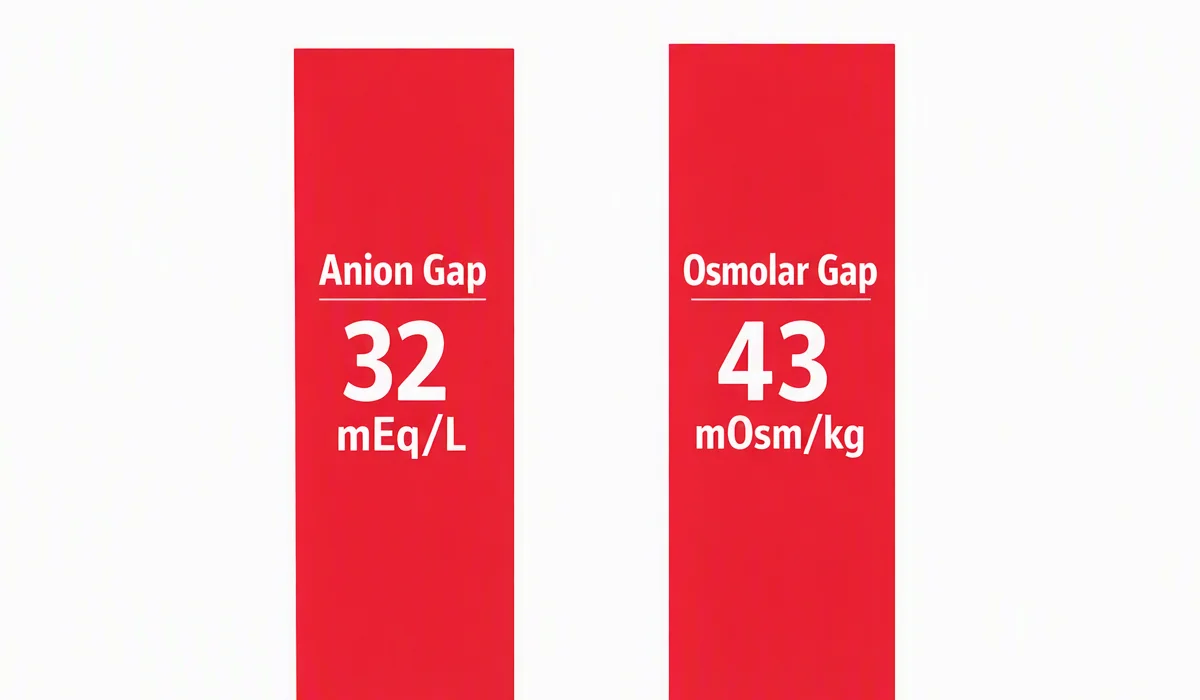
There are significant limits in diagnosis when using an anion gap calculator in the setting of hyperproteinemia. The calculation assumes that the main measured electrolytes are precise and that unmeasured ions behave in predictable ways. In reality, both assumptions can fail when proteins are abnormal.
One major issue is measurement interference. The ion-selective electrode method used in many labs can be affected by abnormal sample composition. High protein concentrations may alter the water fraction in plasma and influence how electrolytes are reported. This can produce pseudohyponatremia, in which the reported sodium level is artifactually low even though the physiologic sodium concentration is not truly reduced.
When pseudohyponatremia occurs, the calculated anion gap may be inaccurate. A seemingly low sodium can reduce the gap and create a wrong impression of a testing artifact related to acid-base status. In other cases, the issue is not sodium alone but a broader measurement error affecting the interpretation of blood chemistry. Because of these limitations, the calculator should never be used in isolation when hyperproteinemia is known or suspected.
When to Recheck Labs or Evaluate Further
Repeat testing is warranted when the anion gap result does not match the clinical picture or when there is suspicion about a sample or analyzer problem. If the initial result is unexpected, a second chemistry panel can help confirm whether the change is real. This is especially helpful when the patient has known or suspected hyperproteinemia, because protein-related effects can vary across assays and collection conditions.
Further evaluation often includes serum protein electrophoresis to assess for paraproteins or other abnormal protein patterns. This is an important step when multiple myeloma or monoclonal gammopathy is possible. In addition, checking kidney function can help clarify metabolic causes of an abnormal gap, including impaired clearance of acids or related solutes.
Blood gas analysis may be useful when the bicarbonate result is unclear or when there is concern about true acid-base disturbance. Blood gas testing can clarify whether the patient has a real metabolic acidosis or whether the chemistry panel is affected by a lab issue. If the pattern remains confusing, the clinician may need to check collection method, analyzer type, and the broader diagnostic workup before drawing conclusions.
FAQ About Anion Gap and Hyperproteinemia
How does hyperproteinemia affect the anion gap?
Hyperproteinemia can affect anion gap interpretation because excess plasma proteins, including globulins and paraproteins, can shift the balance of measured and unmeasured ions. The result may look unexpectedly low, normal, or otherwise inconsistent with the patient’s condition. That is why clinical correlation is important when reviewing the anion gap.
Do I need to correct the anion gap for albumin or other proteins?
In many cases, yes. An albumin-corrected anion gap is commonly used because albumin has a strong effect on the calculation. If there is a broader protein abnormality, a more individualized protein correction may be needed. The best approach depends on the available laboratory values and the suspected cause of the abnormal result.
May hyperproteinemia result in a low anion gap?
Absolutely. A low anion gap can be seen in hyperproteinemia, especially when abnormal proteins such as paraproteins are present. It can also be seen with hypoalbuminemia, testing artifact, or measurement inaccuracy. If the result is unexpected, it should be reviewed in context rather than interpreted to represent a true physiologic change.
Which lab tests can confirm the cause of an abnormal anion gap?
Useful tests include a repeat electrolyte panel, protein electrophoresis, kidney performance studies, and sometimes blood gas analysis. These tests help clarify whether the issue is related to metabolic acidosis, abnormal circulating proteins, or a testing problem involving the electrode system. They also support a more complete diagnostic assessment.
At what point should an abnormal anion gap be repeated or investigated further?
An abnormal result should be repeated when it does not fit the clinical picture, when there is concern for a sample problem, or when hyperproteinemia may have caused assay interference. Further investigation is warranted if the abnormality persists, especially if there is concern for myeloma, gammopathy, or another serious metabolic disorder. In those situations, the anion gap calculator is a practical tool, but not the final step in laboratory interpretation.